The fusion of Generative Artificial Intelligence (AI) with Augmented Reality (AR) and Virtual Reality (VR) is poised to revolutionize the technological landscape. This convergence represents a thrilling synergy that promises to reshape how we interact, learn, and perceive the world around us.
Generative AI, a subset of AI that involves machines creating content autonomously, has found a natural synergy with AR and VR technologies. Through the generation of realistic environments, objects, or characters, Generative AI amplifies the immersive experience offered by AR and VR, elevating it to new heights.
One of the primary impacts of Generative AI in AR and VR lies in content creation. With AI’s ability to generate images, textures, and even entire environments, developers can create vast virtual worlds quicker and with greater realism. This expedites the development process, allowing for richer and more diverse AR and VR experiences.
Moreover, Generative AI contributes significantly to personalization and customization in AR and VR applications. By analyzing user preferences and behavior, AI can dynamically adjust content in real-time, tailoring experiences to individual needs. Whether it’s designing personalized avatars or adapting virtual environments to user interactions, Generative AI enhances the sense of immersion and engagement.
Another pivotal aspect is the enhancement of realism. Generative AI algorithms can generate high-fidelity visuals that closely mimic reality. This advancement bridges the gap between the virtual and physical worlds, enabling users to seamlessly interact with and navigate through virtual environments that appear remarkably lifelike.
Furthermore, Generative AI plays a crucial role in enhancing the responsiveness and interactivity of AR and VR experiences. By incorporating AI-driven algorithms, these technologies can adapt to user input and provide dynamic feedback, creating more engaging and interactive simulations.
The applications of this amalgamation are diverse and far-reaching. From revolutionizing education through immersive learning experiences to transforming the way we shop by offering lifelike virtual try-ons, the impact spans various industries.
However, challenges such as ethical concerns, data privacy, and maintaining a balance between AI-generated content and human creativity need careful consideration. As the capabilities of Generative AI continue to expand, ensuring responsible and ethical implementation remains imperative.
In conclusion, the synergy between Generative AI and AR/VR technologies presents an exciting frontier for innovation. The amalgamation holds immense potential to reshape entertainment, education, healthcare, and numerous other sectors, propelling us into a future where the boundaries between the physical and virtual worlds blur into an intricately woven tapestry of experiences. As we stride forward, the responsible and mindful integration of Generative AI into AR and VR will be key to unlocking their full transformative potential.
Blockchain technology has emerged as a transformative force, promising to revolutionize industries across the globe. At the heart of this revolution are blockchain development companies, which play a pivotal role in harnessing the potential of this disruptive technology. This article aims to provide an in-depth understanding of these companies and their profound impact on various sectors.
What are Blockchain Development Companies?
Blockchain development companies are specialized firms that design, create, and implement blockchain-based solutions. They consist of skilled professionals proficient in various aspects of blockchain technology, including coding, cryptography, smart contracts, and decentralized applications (dApps). These companies leverage their expertise to develop robust, secure, and innovative solutions tailored to meet the specific needs of industries and businesses.
The Significance of Blockchain Technology:
Before diving into the role of these companies, it’s crucial to grasp the significance of blockchain technology itself. At its core, blockchain is a decentralized, distributed ledger that records transactions in a secure and immutable manner. Its key features, such as transparency, immutability, and decentralization, have the potential to disrupt numerous sectors, including finance, supply chain, healthcare, and more.
How Blockchain Development Companies Drive Innovation:
Blockchain development companies serve as the architects of change, driving innovation across industries. They work closely with clients to understand their requirements and conceptualize blockchain solutions tailored to address specific challenges. These solutions often encompass diverse applications, ranging from cryptocurrency development to supply chain tracking and identity verification.
The Expertise Offered by Blockchain Development Companies:
These specialized firms bring a wealth of expertise to the table. Their teams typically consist of blockchain developers, smart contract developers, blockchain architects, security experts, and UI/UX designers. This diverse skill set allows them to tackle complex problems efficiently and deliver comprehensive solutions.
Moreover, blockchain development companies stay updated with the latest advancements in the field. They are well-versed in various blockchain platforms like Ethereum, Hyperledger, and others, enabling them to choose the most suitable technology stack for each project.
Impact on Different Industries:
The impact of blockchain development companies spans across multiple sectors. For instance, in the finance industry, they facilitate faster and more secure transactions through decentralized ledgers and smart contracts. In supply chain management, these companies implement traceability solutions that enhance transparency and reduce fraud. Similarly, in healthcare, blockchain solutions are used for secure patient data management and interoperability among healthcare providers.
Case Studies and Real-World Examples:
To illustrate the practical applications of blockchain development, consider examples like IBM’s Food Trust, which leverages blockchain for traceability in the food supply chain. Another example is DeFi (Decentralized Finance) platforms that enable users to access financial services without intermediaries, showcasing the potential of decentralized applications.
Conclusion:
Blockchain development companies stand at the forefront of technological innovation, shaping the future by harnessing the potential of blockchain technology. Their expertise and solutions are instrumental in driving efficiency, transparency, and security across diverse industries, paving the way for a decentralized and interconnected world.
Ensuring Security: The Vital Role of Smart Contract Audit Companies
Smart contracts, the self-executing contracts with coded terms, have become integral in various blockchain applications. However, ensuring the reliability and security of these contracts is crucial. This article delves into the significance of smart contract audits and the role played by specialized audit companies in ensuring the robustness of these contracts.
Understanding Smart Contracts and Their Importance:
Smart contracts are automated agreements written in code that facilitate, verify, or enforce the negotiation or performance of a contract. They execute predefined actions when specific conditions coded into them are met. These contracts eliminate the need for intermediaries, ensuring transparency, efficiency, and accuracy in transactions across various industries.
The Need for Smart Contract Audits:
Despite their benefits, smart contracts are not immune to vulnerabilities. Bugs or coding errors within these contracts can lead to serious consequences, including financial losses or security breaches. Therefore, conducting thorough audits is essential to identify and mitigate potential risks before deploying smart contracts on a blockchain network.
Role of Smart Contract Audit Companies:
Smart contract audit companies specialize in assessing the security, functionality, and efficiency of smart contracts. Their teams consist of experienced blockchain developers and security experts proficient in identifying vulnerabilities and ensuring the integrity of smart contract code.
The Audit Process:
These companies follow a systematic audit process involving multiple steps. Initially, they review the smart contract’s code, analyzing its logic, structure, and potential loopholes. Automated tools and manual inspections are employed to identify vulnerabilities, including common issues like reentrancy, overflow, or logic errors.
Once potential vulnerabilities are identified, these companies perform rigorous testing and simulation to ensure the contract behaves as intended. Various scenarios are tested to verify the contract’s resilience under different conditions. Furthermore, audits assess compliance with industry standards and best practices.
The Importance of Transparency and Documentation:
Throughout the audit process, transparency and documentation play a vital role. Audit companies provide detailed reports outlining identified issues, their severity, and recommendations for remediation. Transparency in the audit process fosters trust and allows contract developers to address identified vulnerabilities effectively.
Impact and Benefits of Audits:
Smart contract audits mitigate risks associated with deploying flawed contracts. By identifying and rectifying vulnerabilities, audit companies help maintain the security and reliability of blockchain-based applications. This, in turn, enhances user confidence, fosters adoption, and safeguards against potential financial or reputational damage.
Real-World Examples and Case Studies:
Case studies showcasing the impact of audits in preventing catastrophic failures or security breaches can significantly highlight the importance of smart contract audits. For instance, the DAO hack in 2016 resulted in the loss of millions due to a vulnerability in a smart contract. Subsequent audits and security measures have since aimed to prevent similar incidents.
Conclusion:
Smart contract audit companies play a crucial role in the blockchain ecosystem by ensuring the security and reliability of smart contracts. Their expertise and systematic audit processes mitigate risks, enhance security, and foster trust in blockchain-based applications. As the adoption of smart contracts continues to grow, the role of audit companies becomes increasingly pivotal in safeguarding the integrity of decentralized systems.
The Emergence of Web3 Development Services: Redefining User Experience and Decentralization
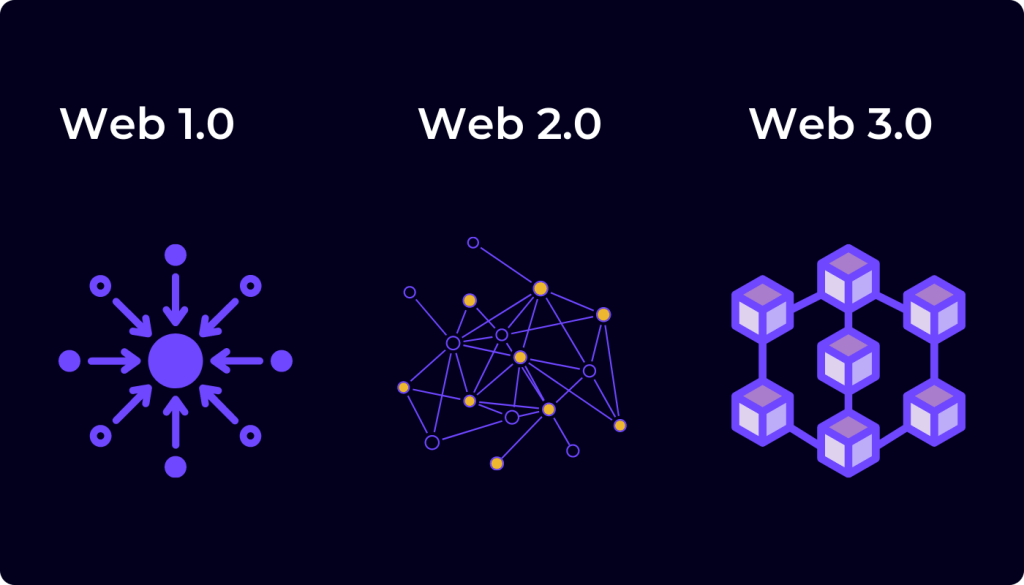
The evolution from Web2 to Web3 marks a paradigm shift in how we perceive and interact with the internet. Web3, built on decentralized technologies like blockchain, promises to reshape user experiences and the very fabric of online interactions. This article explores the emergence of Web3 development services and their impact on decentralization and user-centric experiences.
Understanding Web3 and Its Significance:
Web3 represents a new phase of the internet that prioritizes decentralization, user ownership, and privacy. Unlike Web2, which relies on centralized entities controlling user data and interactions, Web3 aims to empower users by providing decentralized applications (dApps) and services built on blockchain technology.
Role of Web3 Development Services:
Web3 development services encompass a range of activities aimed at creating and deploying decentralized applications. These services involve expertise in blockchain, smart contracts, decentralized storage, and user interface design tailored to create intuitive and secure decentralized experiences.
Enhancing Decentralization and User Empowerment:
Web3 development services prioritize decentralization, offering solutions that enable users to have control over their data and digital interactions. By leveraging blockchain’s immutability and decentralization, these services mitigate risks associated with centralized data storage and foster trust among users.
The Intersection of Blockchain and User Experience:
One of the challenges in Web3 development is striking a balance between decentralization and a seamless user experience. Designing user-friendly interfaces and experiences while maintaining the underlying principles of decentralization is a key focus area for Web3 development services.
The Evolution of Decentralized Applications:
Web3 development services have contributed to the proliferation of dApps across various domains such as finance, gaming, social media, and supply chain management. These applications leverage blockchain’s transparency, security, and programmability to create innovative solutions.
Challenges and Opportunities in Web3 Development:
While Web3 development services hold immense promise, they also face challenges. Issues related to scalability, interoperability among different blockchains, and user adoption pose hurdles that need to be addressed. However, these challenges present opportunities for innovation and improvement within the Web3 ecosystem.
Real-World Examples of Web3 Development Services:
Highlighting successful projects and initiatives developed by Web3-focused companies can illustrate the practical applications and impact of these services. Examples include decentralized finance (DeFi) platforms, decentralized social networks, NFT marketplaces, and blockchain-based identity management systems.
Collaboration and Interconnectivity in Web3:
Web3 development services often collaborate and contribute to the interoperability of decentralized systems. This collaborative approach fosters innovation and a more interconnected ecosystem where different dApps can seamlessly interact and leverage each other’s functionalities.
Conclusion:
Web3 development services are at the forefront of reshaping the internet, emphasizing decentralization, user empowerment, and innovative experiences. As the adoption of Web3 technologies continues to grow, these services will play a pivotal role in creating a more decentralized, user-centric, and interconnected digital landscape. The evolution from Web2 to Web3 represents a transformative phase that holds immense potential for revolutionizing how we interact and transact online.
Unlocking Creativity: Hiring Generative AI Developers for Innovative Solutions
Generative Artificial Intelligence (AI) has emerged as a powerful tool capable of creating unique and innovative solutions across various industries. This article explores the significance of hiring generative AI developers and the profound impact their expertise has on driving creativity and innovation.
Understanding Generative AI and Its Potential:
Generative AI refers to algorithms and models that generate content, images, text, or other data that closely resemble human-created outputs. These AI systems learn patterns from vast datasets and can produce novel and creative outputs, often beyond what traditional programming might achieve.
The Role of Generative AI Developers:
Generative AI developers are skilled professionals who specialize in training and utilizing AI models to create innovative solutions. They possess expertise in machine learning, neural networks, natural language processing (NLP), and deep learning techniques required to develop and fine-tune these generative models.
Driving Innovation and Creativity:
Generative AI developers play a pivotal role in fostering innovation by leveraging AI models to generate new ideas, designs, art, music, and even entire solutions. These developers explore the capabilities of AI models to push the boundaries of creativity and problem-solving.
Applications Across Industries:
Generative AI finds applications in various sectors, including art, design, content creation, gaming, medicine, and more. For instance, in art and design, AI-generated artwork and designs are gaining recognition in galleries and commercial spaces. In medicine, AI models assist in drug discovery and medical image analysis, showcasing the potential of generative AI in scientific innovation.
The Evolution of Generative AI Models:
The evolution of generative AI models, such as GANs (Generative Adversarial Networks) and Transformers, has significantly enhanced the capabilities of AI in generating realistic and creative outputs. These models have opened new avenues for generative AI developers to explore and innovate.
Challenges and Ethical Considerations:
While generative AI holds immense potential, it also raises concerns about ethical use and potential misuse, such as deepfakes or biased outputs. Generative AI developers must address these challenges by prioritizing ethical practices and ensuring the responsible use of AI-generated content.
The Collaboration between Creativity and Technology:
Generative AI developers bridge the gap between creativity and technology, merging artistic expression with advanced algorithms. This collaboration leads to the creation of novel and imaginative solutions that have the potential to redefine industries and user experiences.
Real-World Examples and Case Studies:
Highlighting successful projects and initiatives led by generative AI developers can exemplify the practical applications and impact of their work. Examples may include AI-generated artworks showcased in exhibitions, AI-generated music compositions, or innovative AI-driven design solutions.
Future Prospects and Advancements:
As AI technologies continue to advance, the role of generative AI developers will become increasingly pivotal. The future holds possibilities for further advancements in generative models, expanding their applications across diverse domains and unlocking new frontiers of creativity.
Conclusion:
Generative AI developers stand at the forefront of innovation, harnessing the potential of AI to drive creativity and create groundbreaking solutions. Their expertise in developing and utilizing generative AI models opens doors to novel possibilities, reshaping industries and challenging the boundaries of human creativity. Hiring generative AI developers not only fuels innovation but also represents an investment in unlocking the untapped potential of AI-driven creativity.
Enhancing User Engagement: Role of Chatbot Development Companies in Modern Businesses
Chatbots have revolutionized the way businesses interact with their customers, providing instant assistance, personalized experiences, and streamlined communication. This article explores the significance of chatbot development companies and their pivotal role in enhancing user engagement across diverse industries.
Understanding Chatbots and Their Importance:
Chatbots are AI-powered conversational agents designed to simulate human-like interactions through text or speech. These digital assistants cater to customer queries, provide information, execute tasks, and offer support round-the-clock, significantly enhancing user engagement and experience.
The Role of Chatbot Development Companies:
Chatbot development companies specialize in designing, developing, and implementing chatbot solutions tailored to meet specific business needs. These companies employ skilled developers, AI specialists, and UX/UI designers to create efficient and user-friendly chatbot experiences.
Driving User Engagement through Personalization:
One of the key aspects of chatbot development is personalization. These companies leverage AI and machine learning algorithms to analyze user data and behavior, enabling chatbots to offer personalized recommendations, solutions, and assistance, thereby enhancing user engagement.
Streamlining Customer Support and Services:
Chatbot development companies contribute to businesses by deploying chatbots that streamline customer support and services. These AI-driven assistants handle routine inquiries, resolve issues promptly, and escalate complex queries to human agents when necessary, ensuring efficient and timely responses.
The Evolution of Chatbot Technology:
Over time, chatbot technology has evolved significantly, incorporating natural language processing (NLP), sentiment analysis, and context awareness, enabling chatbots to understand and respond to user queries more effectively. This evolution has led to more human-like interactions, enhancing user engagement.
Applications Across Industries:
Chatbots find applications in various sectors, including e-commerce, healthcare, banking, hospitality, and more. For instance, in e-commerce, chatbots assist customers in product inquiries and purchases. In healthcare, they schedule appointments and provide basic medical information, improving user engagement.
Challenges and Advancements in Chatbot Development:
Despite their benefits, chatbots face challenges related to understanding complex queries, maintaining context, and handling sensitive information. However, ongoing advancements in AI and natural language understanding aim to address these challenges, improving chatbot capabilities.
The Importance of Seamless Integration and User Experience:
Chatbot development companies focus on seamless integration of chatbots into existing business ecosystems, ensuring a cohesive user experience. A well-integrated chatbot enhances user engagement by providing consistent and efficient interactions across various touchpoints.
Real-World Examples and Success Stories:
Highlighting successful implementations of chatbots by companies can demonstrate the practical impact and benefits of chatbot development services. Case studies showcasing increased user engagement, reduced response times, and improved customer satisfaction can illustrate their significance.
Future Trends and Innovations:
The future of chatbots holds promise for advancements in conversational AI, emotional intelligence in chatbots, and improved omnichannel experiences. Chatbot development companies will continue to innovate, contributing to enhanced user engagement and satisfaction.
Conclusion:
Chatbot development companies play a crucial role in shaping modern businesses by leveraging AI to enhance user engagement, streamline customer interactions, and provide personalized experiences. As chatbot technology evolves, these companies will continue to drive innovation, offering businesses efficient and user-centric solutions that redefine customer engagement in the digital era. Investing in chatbot development represents a strategic move for businesses aiming to elevate user engagement and deliver exceptional customer experiences.
In today’s rapidly evolving digital landscape, blockchain technology has emerged as a game-changer across various industries. From finance to healthcare and supply chain management, its decentralized and secure nature has revolutionized traditional systems. As businesses seek to harness the potential of blockchain, the demand for expert development companies has soared. Among the frontrunners in this field, SoluLab stands out as a leading force, known for its innovative solutions and client-centric approach.
SoluLab: A Pioneer in Blockchain Development
Established as a powerhouse in the realm of technology solutions, SoluLab has carved its niche by specializing in blockchain development. With a focus on delivering cutting-edge solutions, the company has earned a stellar reputation for its expertise, reliability, and commitment to excellence.
What Sets SoluLab Apart?
Expertise: SoluLab boasts a team of skilled developers well-versed in blockchain technology. Their proficiency extends across various blockchain platforms like Ethereum, Hyperledger, and Corda, enabling them to tailor solutions to diverse business needs.
Innovative Solutions: The company’s approach emphasizes innovation and creativity. SoluLab doesn’t merely develop blockchain applications; they craft transformative solutions that align with clients’ objectives and drive tangible results.
Client-Centric Approach: Understanding the unique requirements of each client is fundamental to SoluLab’s ethos. They prioritize collaboration, ensuring a thorough understanding of the client’s business goals to deliver tailor-made solutions.
Quality and Security: SoluLab places a premium on quality and security. Their solutions undergo rigorous testing to ensure robustness and resilience against potential threats, providing clients with peace of mind.
Track Record of Success: The company’s portfolio showcases a myriad of successful projects across different industries, showcasing their versatility and capability to tackle varied challenges.
Recognitions and Accolades
SoluLab’s commitment to excellence hasn’t gone unnoticed. The company has garnered several accolades and acknowledgments within the tech industry, further cementing its position as a top-tier blockchain development company.
Conclusion
In the ever-evolving landscape of blockchain technology, SoluLab has emerged as a beacon of innovation and reliability. Their commitment to staying at the forefront of technological advancements while prioritizing client satisfaction has solidified their standing as one of the top blockchain development companies globally.
For businesses seeking to integrate blockchain solutions that transcend boundaries, SoluLab stands as a formidable choice, leveraging expertise, innovation, and a client-focused approach to drive success in the digital era.
Blockchain technology has disrupted various sectors, offering transparency, security, and efficiency. As the demand for blockchain solutions rises, numerous companies have emerged as pioneers in this domain, offering innovative and reliable services. Among these top-notch companies, Solulab stands out as a leader in blockchain development, contributing significantly to the industry’s evolution.
Solulab: With a focus on innovation and client satisfaction, Solulab has established itself as a prominent player in blockchain development. Their proficiency spans various industries, offering end-to-end solutions, including smart contracts, decentralized applications (DApps), and more. Their commitment to delivering robust and scalable blockchain solutions has earned them recognition in the global market.
ConsenSys: Known for its Ethereum-based solutions, ConsenSys has been instrumental in advancing the blockchain ecosystem. They offer a range of services, including decentralized finance (DeFi), enterprise solutions, and developer tools, contributing significantly to blockchain adoption worldwide.
Blockchangers: Specializing in blockchain consulting and development, Blockchangers provides tailored solutions for businesses aiming to integrate blockchain technology. Their expertise lies in creating decentralized systems, tokenization, and building secure, scalable blockchain infrastructure.
Chainyard: Focusing on supply chain solutions, Chainyard utilizes blockchain to enhance transparency, traceability, and efficiency in global supply chains. Their Trust Your Supplier platform leverages blockchain to verify and manage suppliers securely.
Altoros: Altoros excels in blockchain integration and development, offering expertise in Hyperledger, Ethereum, and other blockchain frameworks. They cater to various industries, including healthcare, finance, and manufacturing, empowering businesses with innovative blockchain solutions.
LeewayHertz: A leading blockchain development company, LeewayHertz specializes in creating custom blockchain solutions for enterprises. Their services include smart contract development, tokenization, and blockchain consulting, assisting clients in leveraging blockchain’s potential.
Blockchain App Factory: This company provides end-to-end blockchain solutions, including ICO development, cryptocurrency wallets, and enterprise blockchain applications. They focus on delivering scalable and secure solutions tailored to meet diverse business requirements.
ChromaWay: ChromaWay focuses on blockchain platforms for real estate, finance, and government sectors. Their expertise lies in creating innovative solutions that streamline processes and enhance security through blockchain technology.
Intellectsoft: Renowned for its expertise in blockchain development, Intellectsoft offers comprehensive solutions, including decentralized applications, tokenization, and blockchain consulting. They cater to diverse industries, enabling businesses to harness the power of blockchain.
OpenXcell: OpenXcell is recognized for its proficiency in blockchain development, offering services such as smart contracts, decentralized exchanges, and blockchain-based applications. Their solutions are tailored to drive efficiency and innovation across industries.
These top 10 blockchain development companies, including Solulab, are at the forefront of driving innovation and transforming industries through their groundbreaking blockchain solutions. As the technology continues to evolve, these companies play a pivotal role in shaping the future of decentralized systems and fostering blockchain adoption across various sectors.
Artificial Intelligence (AI) has revolutionized the way businesses operate, transforming industries and enhancing efficiency across various sectors. With the exponential growth of AI technologies, companies are seeking expertise from consulting firms to navigate this dynamic landscape. Among the top-tier AI consulting companies making significant strides in this domain is Solulab.
Understanding the Realm of AI Consulting Companies
AI consulting companies play a pivotal role in guiding businesses through the complexities of integrating AI solutions. From strategizing AI adoption to implementing cutting-edge technologies, these firms offer invaluable insights and technical expertise to drive innovation and growth.
Unveiling Solulab: A Leader in AI Consulting
Solulab stands out prominently in the realm of AI consulting companies. Renowned for its commitment to excellence and innovation, Solulab has carved a niche for itself by delivering top-notch AI solutions across industries. The company’s expertise spans a wide array of AI technologies, including machine learning, natural language processing, computer vision, and more.
Key Features That Set Solulab Apart:
Tailored Solutions: Solulab understands that every business has unique needs. Hence, it crafts bespoke AI solutions tailored to specific requirements, ensuring optimal results.
Holistic Approach: The company takes a comprehensive approach to AI consulting, encompassing strategy formulation, development, implementation, and ongoing support.
Experienced Team: Solulab boasts a team of seasoned AI experts and developers proficient in the latest technologies, ensuring the delivery of high-quality solutions.
Client-Centric Focus: Solulab places immense emphasis on client satisfaction, prioritizing open communication and collaboration to achieve shared goals effectively.
Other Leading AI Consulting Companies
While Solulab shines brightly in the AI consulting landscape, several other companies deserve recognition for their exceptional contributions. Some of these esteemed firms include:
IBM: A global leader offering AI consulting services with a wide range of AI-powered solutions catering to diverse industry verticals.
Accenture: Renowned for its comprehensive AI consulting services, Accenture leverages AI to drive innovation and transformation for businesses.
Deloitte: Deloitte’s AI consulting arm provides strategic guidance and implementation support for enterprises seeking to harness the power of AI.
PwC: With a focus on data-driven AI solutions, PwC assists organizations in leveraging AI for improved decision-making and operational efficiency.
Conclusion
As businesses increasingly embrace AI to gain a competitive edge, the role of AI consulting companies becomes indispensable. Solulab, with its innovative solutions and client-centric approach, stands tall among the top AI consulting firms, empowering businesses to harness the full potential of AI.
Whether it’s strategizing AI adoption, developing custom solutions, or ensuring seamless integration, companies like Solulab play a pivotal role in guiding organizations towards AI-driven success.
In today’s dynamic business landscape, the integration of Artificial Intelligence (AI) has become indispensable for enterprises striving to achieve optimal efficiency, innovation, and competitive edge. With the AI domain burgeoning rapidly, selecting the right development partner is pivotal. Here, we unveil a coterie of top-tier Enterprise AI Development Companies, showcasing Solulab among the eminent entities leading the charge.
Solulab: Pioneering Excellence in AI Solutions
In the realm of Enterprise AI, Solulab stands tall as an industry leader, delivering avant-garde solutions that seamlessly amalgamate AI technology with businesses across diverse sectors. Renowned for their cutting-edge AI capabilities, Solulab orchestrates an array of AI-powered solutions, including predictive analytics, natural language processing (NLP), machine learning, computer vision, and more.
Their adept team of AI experts harnesses the prowess of AI algorithms to craft bespoke solutions tailored to the unique requisites of enterprises. Solulab’s commitment to innovation, coupled with their agile methodologies, empowers businesses to leverage AI’s transformative potential effectively.
Criteria for Inclusion
The featured companies in this elite roster were assessed based on various critical parameters:
Expertise and Experience: Proven track record and proficiency in developing robust AI solutions.
Innovative Approach: Pioneering novel AI methodologies and frameworks for clients.
Client Satisfaction: Testimonials, reviews, and successful implementation of AI solutions for diverse clientele.
Technical Prowess: Depth of technical knowledge and skillset in AI technologies.
Scalability and Adaptability: Ability to craft scalable AI solutions adaptable to evolving business needs.
Other Leading Contenders
While Solulab excels in the AI domain, several other companies also merit recognition for their prowess in Enterprise AI development:
Company X: Known for its groundbreaking AI-driven automation solutions tailored for enterprise workflows.
Company Y: Renowned for leveraging AI to optimize data analytics, providing actionable insights for businesses.
Company Z: Focused on AI-powered customer experience solutions, enhancing user engagement and satisfaction.
Final Thoughts
In the competitive realm of Enterprise AI, choosing the right development partner is instrumental for businesses aiming to leverage AI’s transformative potential. Solulab’s position among the top echelons of AI development companies underscores its commitment to innovation, technical expertise, and delivering tailored solutions that drive tangible business outcomes.
Ultimately, enterprises seeking to harness the transformative power of AI should meticulously evaluate these leading companies, understanding their unique strengths and aligning them with their organizational goals to embark on a transformative AI journey.
In the realm of groundbreaking technology, the advent of Generative Artificial Intelligence (AI) has opened doors to innovative solutions across various industries. This cutting-edge technology has revolutionized the way businesses operate, creating opportunities for unprecedented creativity and efficiency. As the demand for AI-powered solutions surges, numerous companies have emerged as frontrunners in the development of Generative AI, with Solulab standing out as a prominent player in this landscape.
Understanding Generative AI
Generative AI refers to a subset of artificial intelligence that involves training machines to mimic human-like creativity and decision-making processes. It involves algorithms capable of generating new content, such as images, text, music, or even entire simulations, based on patterns and data it has been exposed to during its training.
Solulab: Pioneering Innovations in Generative AI
Solulab is a distinguished name in the domain of Generative AI development. Renowned for its expertise in harnessing AI capabilities to craft cutting-edge solutions, Solulab has consistently delivered state-of-the-art AI-driven products and services.
Their commitment to pushing boundaries and exploring the potential of Generative AI has led to the creation of transformative solutions across diverse sectors. Solulab’s team of skilled professionals combines technical prowess with a deep understanding of client requirements, ensuring tailored and impactful AI solutions.
Leading Generative AI Development Companies Beyond Solulab
While Solulab excels in Generative AI development, several other companies have also made significant strides in this field:
OpenAI: Known for its research and development in advanced AI technologies, OpenAI has contributed immensely to Generative AI with projects like GPT (Generative Pre-trained Transformer) models.
DeepMind: Acclaimed for its breakthroughs in AI research, DeepMind explores Generative AI’s potential for healthcare, gaming, and scientific advancements.
NVIDIA: The technology giant has been instrumental in creating powerful hardware and software frameworks that facilitate Generative AI model training and deployment.
IBM: Leveraging its Watson AI platform, IBM has been actively involved in developing Generative AI solutions for various industries, particularly in healthcare and finance.
Microsoft: Through initiatives like Azure AI, Microsoft has been at the forefront of incorporating Generative AI into its suite of services, empowering businesses with innovative tools.
The Future of Generative AI Development
As Generative AI continues to evolve, its applications will diversify, offering solutions that redefine how industries operate. From personalized content generation to revolutionizing healthcare diagnostics, the potential for Generative AI seems boundless.
In conclusion, Solulab remains a frontrunner in Generative AI development, alongside several other notable companies. Their contributions signify the immense potential of Generative AI, promising a future where AI-driven creativity and problem-solving redefine the way we live and work.
Blockchain Application Development Companies have been at the forefront of revolutionizing various industries through their innovative applications harnessing the power of blockchain technology. These companies have introduced groundbreaking solutions across finance, healthcare, supply chain, real estate, and more, fundamentally transforming traditional systems.
Finance and Banking:
In the realm of finance and banking, Blockchain Application Development Companies have introduced decentralized finance (DeFi) platforms. These platforms offer solutions for lending, borrowing, decentralized exchanges (DEXs), yield farming, and asset tokenization. DeFi protocols enable users to access financial services without intermediaries, fostering financial inclusion and transparency.
Blockchain applications have made significant strides in optimizing supply chain management. Companies utilize blockchain to create transparent and traceable supply chains, ensuring the authenticity and provenance of products. Immutable records on the blockchain enable end-to-end visibility, reducing counterfeiting, enhancing efficiency, and fostering trust among stakeholders.
Blockchain Application Development Companies have developed solutions to address the challenges in healthcare data management. These applications facilitate secure sharing and interoperability of patient records while maintaining data privacy. Blockchain-based systems ensure the integrity of medical data, streamline access for authorized parties, and enable patients to have greater control over their information.
Real Estate and Property Transactions:
Blockchain has disrupted the real estate industry by introducing solutions for property transactions. These applications utilize smart contracts to automate and streamline the buying, selling, and leasing of properties. Blockchain ensures transparency in property records, minimizes paperwork, and reduces the involvement of intermediaries in transactions, leading to faster and more secure deals.
Identity Management and Authentication:
Blockchain-based identity management solutions developed by these companies offer secure and decentralized methods for identity verification. These applications provide individuals with self-sovereign identity, enabling them to control and share their personal information securely. Blockchain ensures the integrity and immutability of identity records, reducing identity theft and fraud.
Intellectual Property Protection:
Blockchain Application Development Companies have introduced applications to safeguard intellectual property rights. Through blockchain, artists, creators, and innovators can timestamp and authenticate their work, establishing immutable records of ownership. Smart contracts enable automated royalty payments, ensuring fair compensation and protecting creators’ rights.
Tokenization of Assets:
Asset tokenization platforms developed by these companies facilitate the conversion of real-world assets into digital tokens on the blockchain. This innovation enables fractional ownership, liquidity, and accessibility to assets like real estate, art, and commodities. Tokenization democratizes investments, allowing fractional ownership and trading of high-value assets.
Social Impact and Philanthropy:
Blockchain applications extend to social impact and philanthropy sectors. These applications enable transparent tracking of donations, ensuring that funds reach intended beneficiaries. Smart contracts automate donation distribution, enhancing accountability and trust in charitable activities.
Gaming and Entertainment:
Blockchain-based gaming and entertainment applications offer new models of ownership and interaction within virtual worlds. Non-fungible tokens (NFTs) enable ownership of unique digital assets within games, while blockchain-based platforms ensure transparent and secure transactions of in-game assets and collectibles.
Smart Cities and IoT Integration:
In the domain of smart cities, Blockchain Application Development Companies explore integrating blockchain with the Internet of Things (IoT). These applications create secure and decentralized data marketplaces, enabling efficient data sharing among IoT devices while maintaining data integrity and security.
Conclusion:
In conclusion, Blockchain Application Development Companies have pioneered an array of innovative applications across diverse industries. Their solutions leverage blockchain’s inherent characteristics of decentralization, transparency, and security to revolutionize traditional systems, enhance efficiency, and foster trust among stakeholders.
Through the development of applications in finance, healthcare, supply chain, real estate, identity management, intellectual property, and various other sectors, these companies are paving the way for a future where blockchain technology drives unprecedented levels of transparency, security, and efficiency in countless aspects of our lives.
Blockchain technology continues to reshape industries, and at the forefront are blockchain software development companies. These entities play a crucial role in revolutionizing business processes by offering tailored software solutions powered by blockchain technology.
A top blockchain development company specializes in delivering comprehensive blockchain development services, including software development. These companies focus on creating robust and secure software infrastructure that aligns with clients’ unique requirements.
Blockchain software development companies employ a blend of expertise and innovation to build scalable and efficient solutions. They emphasize the importance of security and transparency while developing customized software solutions for diverse industries.
The advent of blockchain application development companies has brought about transformative changes across sectors. These companies leverage blockchain’s decentralized nature to create applications that optimize operations, ensuring data integrity and enhancing efficiency.
Moreover, blockchain game development companies have harnessed the potential of blockchain to create immersive gaming experiences. By leveraging decentralized networks, these companies offer gamers a secure and transparent environment to enjoy their favorite games.
In conclusion, the impact of blockchain software development companies is profound, with their ability to create tailored solutions that streamline operations and drive efficiency across various industries.
Artificial Intelligence continues to redefine industries, and the demand for AI consulting services is poised for exponential growth. The future of these services lies in their ability to adapt and innovate in a rapidly evolving technological landscape.
AI consulting companies are expected to further specialize in niche domains, catering to the specific needs of industries and offering highly customized solutions. The integration of AI with other emerging technologies like IoT (Internet of Things) and blockchain will expand the scope of AI consulting services, unlocking new possibilities for businesses.
Moreover, ethical considerations and responsible AI practices will become integral to AI consulting services. Consultants will prioritize building AI systems that are transparent, explainable, and ethical, addressing concerns related to bias, privacy, and fairness.
Additionally, the democratization of AI will enable smaller businesses to access AI consulting services previously limited to larger enterprises. This shift will democratize innovation, fostering a more inclusive ecosystem where businesses of all sizes can leverage AI for growth and competitiveness.
The future of artificial intelligence consulting services is bright, driven by innovation, ethical considerations, and inclusivity. As AI continues to evolve, so will the role of AI consulting companies, shaping the future of businesses across diverse industries.



 Tech Talks360