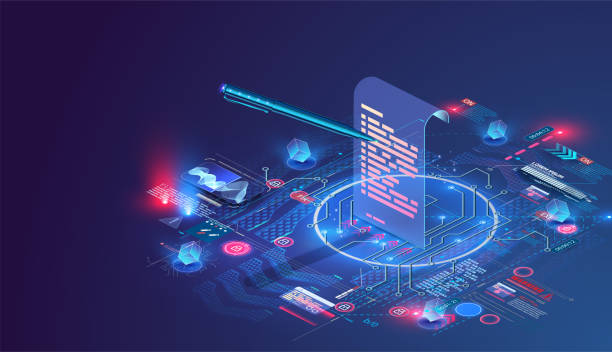
While smart contracts offer a secure and decentralized framework for executing agreements, they are not immune to security risks. In this blog, we’ll explore some common security risks associated with smart contracts in the Web3 ecosystem and discuss effective mitigations.
Reentrancy Attacks: Reentrancy attacks occur when an external contract calls back into the vulnerable contract before completing its execution. Developers can mitigate this risk by using the “checks-effects-interactions” pattern, ensuring that state changes are completed before interacting with external contracts.
Unchecked External Calls: Smart contracts may interact with external contracts or oracles. Failing to validate and sanitize inputs from external calls can lead to vulnerabilities. Implementing proper input validation and using trusted and audited external contracts help mitigate the risk of malicious inputs.
Integer Overflow and Underflow: Arithmetic operations in smart contracts can result in overflow or underflow, leading to unintended consequences. Developers should use safe math libraries to prevent these issues, ensuring that mathematical operations do not exceed the maximum or minimum values.
Access Control Issues: Incorrectly implemented access controls can lead to unauthorized access and manipulation of sensitive data. Developers should employ the principle of least privilege, ensuring that only authorized users or contracts have access to critical functions within the smart contract.
Gas Limit and Denial-of-Service (DoS) Attacks: Setting inappropriate gas limits or inefficient code can expose smart contracts to DoS attacks. Developers should carefully optimize code to minimize gas consumption and set appropriate gas limits to prevent attackers from exploiting vulnerabilities and draining resources.
Front-Running: Front-running occurs when malicious actors exploit the predictability of transaction order in a block. Developers can use techniques like commit-reveal schemes or cryptographic solutions to mitigate the risk of front-running and protect users’ sensitive information.
Lack of Upgradeability Safeguards: While upgradeability can be a useful feature, it introduces potential security risks. Developers should implement transparent and secure upgradeability mechanisms, including community governance and time-locked upgrades, to prevent unauthorized modifications to smart contracts.
Dependence on Centralized Services: Smart contracts relying on centralized services or dependencies may face risks if these services are compromised. Developers should strive for decentralization wherever possible and implement fallback mechanisms to handle potential disruptions in external services.
By understanding and addressing these common security risks, developers can significantly enhance the robustness and reliability of smart contracts within the Web3 ecosystem. Ongoing vigilance, regular audits, and community collaboration are crucial components of a comprehensive security strategy.
The film and television industry is no stranger to disruption, and the advent of Web3 development is poised to bring about a seismic shift in the way we create, distribute, and consume visual content. At the heart of this transformation lies the concept of tokenization, which has the potential to revolutionize how talent is recognized, compensated, and engaged within the entertainment ecosystem.
Tokenization in the context of the film and television industry involves converting various elements of the creative process into blockchain-based assets. This includes everything from scriptwriting and casting to production and distribution. By tokenizing these components, the industry can achieve greater transparency, efficiency, and fairness.
For instance, imagine a scenario where filmmakers tokenize their projects, allowing investors and fans to purchase tokens representing a stake in the film. This democratization of film financing not only provides creators with alternative funding sources but also allows audiences to become direct stakeholders in the success of a project. In return, token holders may receive a share of the film’s profits or exclusive access to behind-the-scenes content.
Tokenization also extends to talent in the form of non-fungible tokens (NFTs). Actors, directors, and other key contributors can tokenize their involvement in a project, creating a new paradigm for revenue sharing and recognition. NFTs representing a specific actor’s performance could be traded on decentralized marketplaces, providing a direct link between the value of the token and the popularity of the talent.
Web3 also introduces smart contracts to streamline royalty payments and residuals. Through self-executing smart contracts, content creators can ensure that they receive fair compensation automatically based on predefined conditions, reducing reliance on intermediaries and minimizing disputes over revenue sharing.
In addition to tokenization, Web3 facilitates the creation of decentralized content platforms, where artists can showcase their work without the constraints of traditional gatekeepers. This opens up new opportunities for emerging talent and niche content creators to find their audience and thrive in a decentralized digital landscape.
As the film and television industry embraces the principles of Web3, we can expect a more inclusive, transparent, and dynamic entertainment ecosystem. Tokenizing talent and content not only transforms the way value is distributed but also empowers creators and audiences alike. The dawn of Web3 in film and television marks a new era where creativity and innovation take center stage, unshackled from the limitations of the past.
Blockchain technology has emerged as a transformative force, promising to revolutionize industries across the globe. At the heart of this revolution are blockchain development companies, which play a pivotal role in harnessing the potential of this disruptive technology. This article aims to provide an in-depth understanding of these companies and their profound impact on various sectors.
What are Blockchain Development Companies?
Blockchain development companies are specialized firms that design, create, and implement blockchain-based solutions. They consist of skilled professionals proficient in various aspects of blockchain technology, including coding, cryptography, smart contracts, and decentralized applications (dApps). These companies leverage their expertise to develop robust, secure, and innovative solutions tailored to meet the specific needs of industries and businesses.
The Significance of Blockchain Technology:
Before diving into the role of these companies, it’s crucial to grasp the significance of blockchain technology itself. At its core, blockchain is a decentralized, distributed ledger that records transactions in a secure and immutable manner. Its key features, such as transparency, immutability, and decentralization, have the potential to disrupt numerous sectors, including finance, supply chain, healthcare, and more.
How Blockchain Development Companies Drive Innovation:
Blockchain development companies serve as the architects of change, driving innovation across industries. They work closely with clients to understand their requirements and conceptualize blockchain solutions tailored to address specific challenges. These solutions often encompass diverse applications, ranging from cryptocurrency development to supply chain tracking and identity verification.
The Expertise Offered by Blockchain Development Companies:
These specialized firms bring a wealth of expertise to the table. Their teams typically consist of blockchain developers, smart contract developers, blockchain architects, security experts, and UI/UX designers. This diverse skill set allows them to tackle complex problems efficiently and deliver comprehensive solutions.
Moreover, blockchain development companies stay updated with the latest advancements in the field. They are well-versed in various blockchain platforms like Ethereum, Hyperledger, and others, enabling them to choose the most suitable technology stack for each project.
Impact on Different Industries:
The impact of blockchain development companies spans across multiple sectors. For instance, in the finance industry, they facilitate faster and more secure transactions through decentralized ledgers and smart contracts. In supply chain management, these companies implement traceability solutions that enhance transparency and reduce fraud. Similarly, in healthcare, blockchain solutions are used for secure patient data management and interoperability among healthcare providers.
Case Studies and Real-World Examples:
To illustrate the practical applications of blockchain development, consider examples like IBM’s Food Trust, which leverages blockchain for traceability in the food supply chain. Another example is DeFi (Decentralized Finance) platforms that enable users to access financial services without intermediaries, showcasing the potential of decentralized applications.
Conclusion:
Blockchain development companies stand at the forefront of technological innovation, shaping the future by harnessing the potential of blockchain technology. Their expertise and solutions are instrumental in driving efficiency, transparency, and security across diverse industries, paving the way for a decentralized and interconnected world.
Ensuring Security: The Vital Role of Smart Contract Audit Companies
Smart contracts, the self-executing contracts with coded terms, have become integral in various blockchain applications. However, ensuring the reliability and security of these contracts is crucial. This article delves into the significance of smart contract audits and the role played by specialized audit companies in ensuring the robustness of these contracts.
Understanding Smart Contracts and Their Importance:
Smart contracts are automated agreements written in code that facilitate, verify, or enforce the negotiation or performance of a contract. They execute predefined actions when specific conditions coded into them are met. These contracts eliminate the need for intermediaries, ensuring transparency, efficiency, and accuracy in transactions across various industries.
The Need for Smart Contract Audits:
Despite their benefits, smart contracts are not immune to vulnerabilities. Bugs or coding errors within these contracts can lead to serious consequences, including financial losses or security breaches. Therefore, conducting thorough audits is essential to identify and mitigate potential risks before deploying smart contracts on a blockchain network.
Role of Smart Contract Audit Companies:
Smart contract audit companies specialize in assessing the security, functionality, and efficiency of smart contracts. Their teams consist of experienced blockchain developers and security experts proficient in identifying vulnerabilities and ensuring the integrity of smart contract code.
The Audit Process:
These companies follow a systematic audit process involving multiple steps. Initially, they review the smart contract’s code, analyzing its logic, structure, and potential loopholes. Automated tools and manual inspections are employed to identify vulnerabilities, including common issues like reentrancy, overflow, or logic errors.
Once potential vulnerabilities are identified, these companies perform rigorous testing and simulation to ensure the contract behaves as intended. Various scenarios are tested to verify the contract’s resilience under different conditions. Furthermore, audits assess compliance with industry standards and best practices.
The Importance of Transparency and Documentation:
Throughout the audit process, transparency and documentation play a vital role. Audit companies provide detailed reports outlining identified issues, their severity, and recommendations for remediation. Transparency in the audit process fosters trust and allows contract developers to address identified vulnerabilities effectively.
Impact and Benefits of Audits:
Smart contract audits mitigate risks associated with deploying flawed contracts. By identifying and rectifying vulnerabilities, audit companies help maintain the security and reliability of blockchain-based applications. This, in turn, enhances user confidence, fosters adoption, and safeguards against potential financial or reputational damage.
Real-World Examples and Case Studies:
Case studies showcasing the impact of audits in preventing catastrophic failures or security breaches can significantly highlight the importance of smart contract audits. For instance, the DAO hack in 2016 resulted in the loss of millions due to a vulnerability in a smart contract. Subsequent audits and security measures have since aimed to prevent similar incidents.
Conclusion:
Smart contract audit companies play a crucial role in the blockchain ecosystem by ensuring the security and reliability of smart contracts. Their expertise and systematic audit processes mitigate risks, enhance security, and foster trust in blockchain-based applications. As the adoption of smart contracts continues to grow, the role of audit companies becomes increasingly pivotal in safeguarding the integrity of decentralized systems.
The Emergence of Web3 Development Services: Redefining User Experience and Decentralization
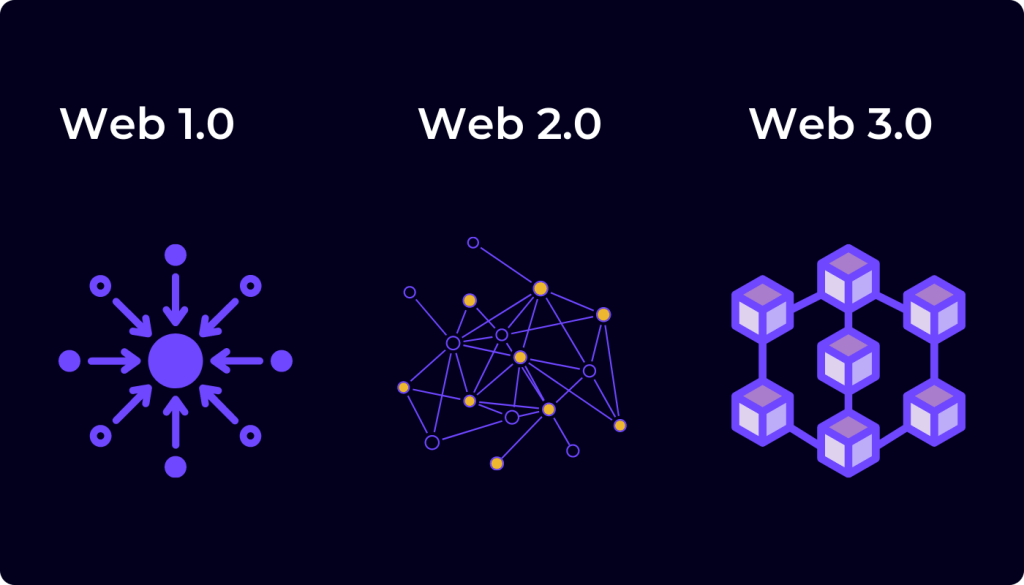
The evolution from Web2 to Web3 marks a paradigm shift in how we perceive and interact with the internet. Web3, built on decentralized technologies like blockchain, promises to reshape user experiences and the very fabric of online interactions. This article explores the emergence of Web3 development services and their impact on decentralization and user-centric experiences.
Understanding Web3 and Its Significance:
Web3 represents a new phase of the internet that prioritizes decentralization, user ownership, and privacy. Unlike Web2, which relies on centralized entities controlling user data and interactions, Web3 aims to empower users by providing decentralized applications (dApps) and services built on blockchain technology.
Role of Web3 Development Services:
Web3 development services encompass a range of activities aimed at creating and deploying decentralized applications. These services involve expertise in blockchain, smart contracts, decentralized storage, and user interface design tailored to create intuitive and secure decentralized experiences.
Enhancing Decentralization and User Empowerment:
Web3 development services prioritize decentralization, offering solutions that enable users to have control over their data and digital interactions. By leveraging blockchain’s immutability and decentralization, these services mitigate risks associated with centralized data storage and foster trust among users.
The Intersection of Blockchain and User Experience:
One of the challenges in Web3 development is striking a balance between decentralization and a seamless user experience. Designing user-friendly interfaces and experiences while maintaining the underlying principles of decentralization is a key focus area for Web3 development services.
The Evolution of Decentralized Applications:
Web3 development services have contributed to the proliferation of dApps across various domains such as finance, gaming, social media, and supply chain management. These applications leverage blockchain’s transparency, security, and programmability to create innovative solutions.
Challenges and Opportunities in Web3 Development:
While Web3 development services hold immense promise, they also face challenges. Issues related to scalability, interoperability among different blockchains, and user adoption pose hurdles that need to be addressed. However, these challenges present opportunities for innovation and improvement within the Web3 ecosystem.
Real-World Examples of Web3 Development Services:
Highlighting successful projects and initiatives developed by Web3-focused companies can illustrate the practical applications and impact of these services. Examples include decentralized finance (DeFi) platforms, decentralized social networks, NFT marketplaces, and blockchain-based identity management systems.
Collaboration and Interconnectivity in Web3:
Web3 development services often collaborate and contribute to the interoperability of decentralized systems. This collaborative approach fosters innovation and a more interconnected ecosystem where different dApps can seamlessly interact and leverage each other’s functionalities.
Conclusion:
Web3 development services are at the forefront of reshaping the internet, emphasizing decentralization, user empowerment, and innovative experiences. As the adoption of Web3 technologies continues to grow, these services will play a pivotal role in creating a more decentralized, user-centric, and interconnected digital landscape. The evolution from Web2 to Web3 represents a transformative phase that holds immense potential for revolutionizing how we interact and transact online.
Unlocking Creativity: Hiring Generative AI Developers for Innovative Solutions
Generative Artificial Intelligence (AI) has emerged as a powerful tool capable of creating unique and innovative solutions across various industries. This article explores the significance of hiring generative AI developers and the profound impact their expertise has on driving creativity and innovation.
Understanding Generative AI and Its Potential:
Generative AI refers to algorithms and models that generate content, images, text, or other data that closely resemble human-created outputs. These AI systems learn patterns from vast datasets and can produce novel and creative outputs, often beyond what traditional programming might achieve.
The Role of Generative AI Developers:
Generative AI developers are skilled professionals who specialize in training and utilizing AI models to create innovative solutions. They possess expertise in machine learning, neural networks, natural language processing (NLP), and deep learning techniques required to develop and fine-tune these generative models.
Driving Innovation and Creativity:
Generative AI developers play a pivotal role in fostering innovation by leveraging AI models to generate new ideas, designs, art, music, and even entire solutions. These developers explore the capabilities of AI models to push the boundaries of creativity and problem-solving.
Applications Across Industries:
Generative AI finds applications in various sectors, including art, design, content creation, gaming, medicine, and more. For instance, in art and design, AI-generated artwork and designs are gaining recognition in galleries and commercial spaces. In medicine, AI models assist in drug discovery and medical image analysis, showcasing the potential of generative AI in scientific innovation.
The Evolution of Generative AI Models:
The evolution of generative AI models, such as GANs (Generative Adversarial Networks) and Transformers, has significantly enhanced the capabilities of AI in generating realistic and creative outputs. These models have opened new avenues for generative AI developers to explore and innovate.
Challenges and Ethical Considerations:
While generative AI holds immense potential, it also raises concerns about ethical use and potential misuse, such as deepfakes or biased outputs. Generative AI developers must address these challenges by prioritizing ethical practices and ensuring the responsible use of AI-generated content.
The Collaboration between Creativity and Technology:
Generative AI developers bridge the gap between creativity and technology, merging artistic expression with advanced algorithms. This collaboration leads to the creation of novel and imaginative solutions that have the potential to redefine industries and user experiences.
Real-World Examples and Case Studies:
Highlighting successful projects and initiatives led by generative AI developers can exemplify the practical applications and impact of their work. Examples may include AI-generated artworks showcased in exhibitions, AI-generated music compositions, or innovative AI-driven design solutions.
Future Prospects and Advancements:
As AI technologies continue to advance, the role of generative AI developers will become increasingly pivotal. The future holds possibilities for further advancements in generative models, expanding their applications across diverse domains and unlocking new frontiers of creativity.
Conclusion:
Generative AI developers stand at the forefront of innovation, harnessing the potential of AI to drive creativity and create groundbreaking solutions. Their expertise in developing and utilizing generative AI models opens doors to novel possibilities, reshaping industries and challenging the boundaries of human creativity. Hiring generative AI developers not only fuels innovation but also represents an investment in unlocking the untapped potential of AI-driven creativity.
Enhancing User Engagement: Role of Chatbot Development Companies in Modern Businesses
Chatbots have revolutionized the way businesses interact with their customers, providing instant assistance, personalized experiences, and streamlined communication. This article explores the significance of chatbot development companies and their pivotal role in enhancing user engagement across diverse industries.
Understanding Chatbots and Their Importance:
Chatbots are AI-powered conversational agents designed to simulate human-like interactions through text or speech. These digital assistants cater to customer queries, provide information, execute tasks, and offer support round-the-clock, significantly enhancing user engagement and experience.
The Role of Chatbot Development Companies:
Chatbot development companies specialize in designing, developing, and implementing chatbot solutions tailored to meet specific business needs. These companies employ skilled developers, AI specialists, and UX/UI designers to create efficient and user-friendly chatbot experiences.
Driving User Engagement through Personalization:
One of the key aspects of chatbot development is personalization. These companies leverage AI and machine learning algorithms to analyze user data and behavior, enabling chatbots to offer personalized recommendations, solutions, and assistance, thereby enhancing user engagement.
Streamlining Customer Support and Services:
Chatbot development companies contribute to businesses by deploying chatbots that streamline customer support and services. These AI-driven assistants handle routine inquiries, resolve issues promptly, and escalate complex queries to human agents when necessary, ensuring efficient and timely responses.
The Evolution of Chatbot Technology:
Over time, chatbot technology has evolved significantly, incorporating natural language processing (NLP), sentiment analysis, and context awareness, enabling chatbots to understand and respond to user queries more effectively. This evolution has led to more human-like interactions, enhancing user engagement.
Applications Across Industries:
Chatbots find applications in various sectors, including e-commerce, healthcare, banking, hospitality, and more. For instance, in e-commerce, chatbots assist customers in product inquiries and purchases. In healthcare, they schedule appointments and provide basic medical information, improving user engagement.
Challenges and Advancements in Chatbot Development:
Despite their benefits, chatbots face challenges related to understanding complex queries, maintaining context, and handling sensitive information. However, ongoing advancements in AI and natural language understanding aim to address these challenges, improving chatbot capabilities.
The Importance of Seamless Integration and User Experience:
Chatbot development companies focus on seamless integration of chatbots into existing business ecosystems, ensuring a cohesive user experience. A well-integrated chatbot enhances user engagement by providing consistent and efficient interactions across various touchpoints.
Real-World Examples and Success Stories:
Highlighting successful implementations of chatbots by companies can demonstrate the practical impact and benefits of chatbot development services. Case studies showcasing increased user engagement, reduced response times, and improved customer satisfaction can illustrate their significance.
Future Trends and Innovations:
The future of chatbots holds promise for advancements in conversational AI, emotional intelligence in chatbots, and improved omnichannel experiences. Chatbot development companies will continue to innovate, contributing to enhanced user engagement and satisfaction.
Conclusion:
Chatbot development companies play a crucial role in shaping modern businesses by leveraging AI to enhance user engagement, streamline customer interactions, and provide personalized experiences. As chatbot technology evolves, these companies will continue to drive innovation, offering businesses efficient and user-centric solutions that redefine customer engagement in the digital era. Investing in chatbot development represents a strategic move for businesses aiming to elevate user engagement and deliver exceptional customer experiences.
Blockchain technology has disrupted various sectors, offering transparency, security, and efficiency. As the demand for blockchain solutions rises, numerous companies have emerged as pioneers in this domain, offering innovative and reliable services. Among these top-notch companies, Solulab stands out as a leader in blockchain development, contributing significantly to the industry’s evolution.
Solulab: With a focus on innovation and client satisfaction, Solulab has established itself as a prominent player in blockchain development. Their proficiency spans various industries, offering end-to-end solutions, including smart contracts, decentralized applications (DApps), and more. Their commitment to delivering robust and scalable blockchain solutions has earned them recognition in the global market.
ConsenSys: Known for its Ethereum-based solutions, ConsenSys has been instrumental in advancing the blockchain ecosystem. They offer a range of services, including decentralized finance (DeFi), enterprise solutions, and developer tools, contributing significantly to blockchain adoption worldwide.
Blockchangers: Specializing in blockchain consulting and development, Blockchangers provides tailored solutions for businesses aiming to integrate blockchain technology. Their expertise lies in creating decentralized systems, tokenization, and building secure, scalable blockchain infrastructure.
Chainyard: Focusing on supply chain solutions, Chainyard utilizes blockchain to enhance transparency, traceability, and efficiency in global supply chains. Their Trust Your Supplier platform leverages blockchain to verify and manage suppliers securely.
Altoros: Altoros excels in blockchain integration and development, offering expertise in Hyperledger, Ethereum, and other blockchain frameworks. They cater to various industries, including healthcare, finance, and manufacturing, empowering businesses with innovative blockchain solutions.
LeewayHertz: A leading blockchain development company, LeewayHertz specializes in creating custom blockchain solutions for enterprises. Their services include smart contract development, tokenization, and blockchain consulting, assisting clients in leveraging blockchain’s potential.
Blockchain App Factory: This company provides end-to-end blockchain solutions, including ICO development, cryptocurrency wallets, and enterprise blockchain applications. They focus on delivering scalable and secure solutions tailored to meet diverse business requirements.
ChromaWay: ChromaWay focuses on blockchain platforms for real estate, finance, and government sectors. Their expertise lies in creating innovative solutions that streamline processes and enhance security through blockchain technology.
Intellectsoft: Renowned for its expertise in blockchain development, Intellectsoft offers comprehensive solutions, including decentralized applications, tokenization, and blockchain consulting. They cater to diverse industries, enabling businesses to harness the power of blockchain.
OpenXcell: OpenXcell is recognized for its proficiency in blockchain development, offering services such as smart contracts, decentralized exchanges, and blockchain-based applications. Their solutions are tailored to drive efficiency and innovation across industries.
These top 10 blockchain development companies, including Solulab, are at the forefront of driving innovation and transforming industries through their groundbreaking blockchain solutions. As the technology continues to evolve, these companies play a pivotal role in shaping the future of decentralized systems and fostering blockchain adoption across various sectors.



 Tech Talks360